-
#737 – Planet of Storms (1962)


Planet of Storms (1962)
Film review #737
Director: Pavel Klushantsev
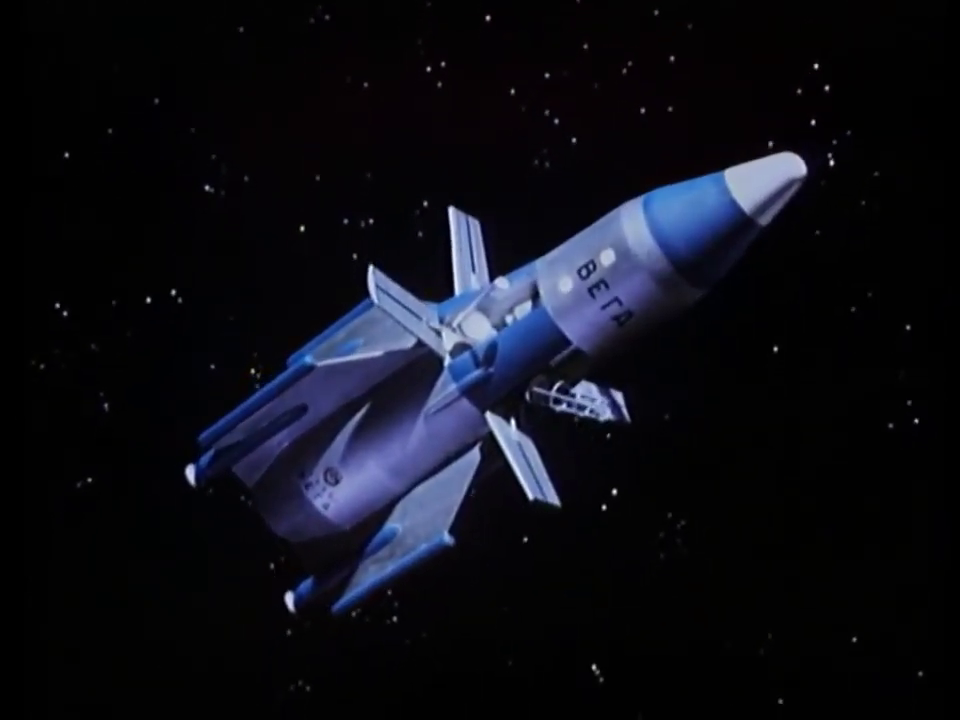
SYNOPSIS: A trio of rockets have arrived in the orbit of venus, but a rogue meteor collides with one of the ships and destroys it. With their plans in array, the crew of the remaining ships decide to head down to the surface, with one person remaining behind until a new ship arrives from Earth. On the surface, the crew find all sorts of strange creatures and dangers as they explore the planet in the name of science…
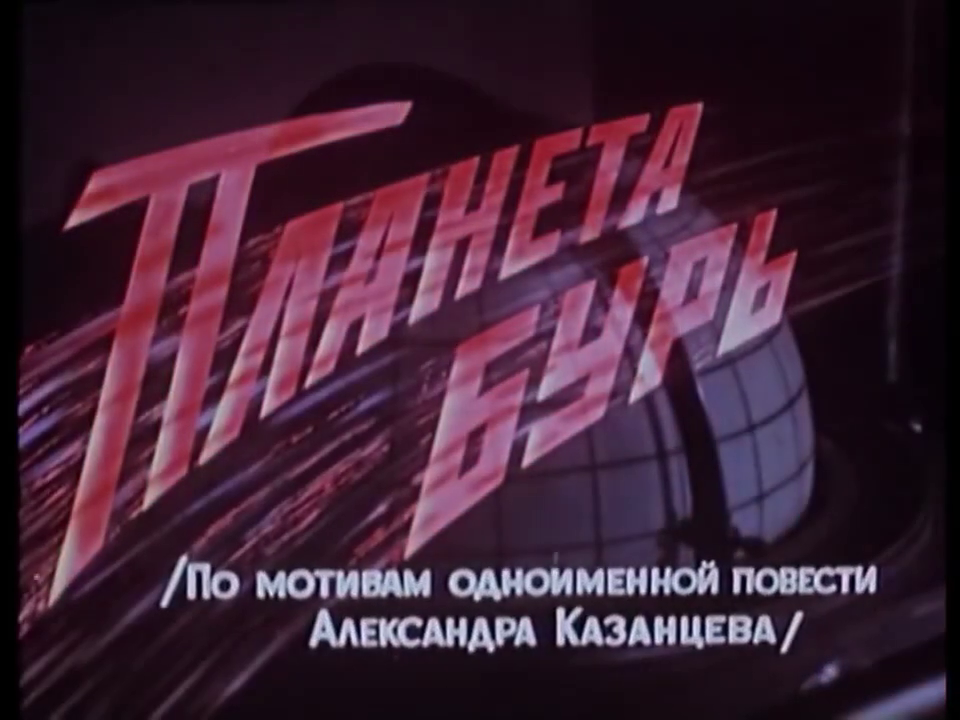
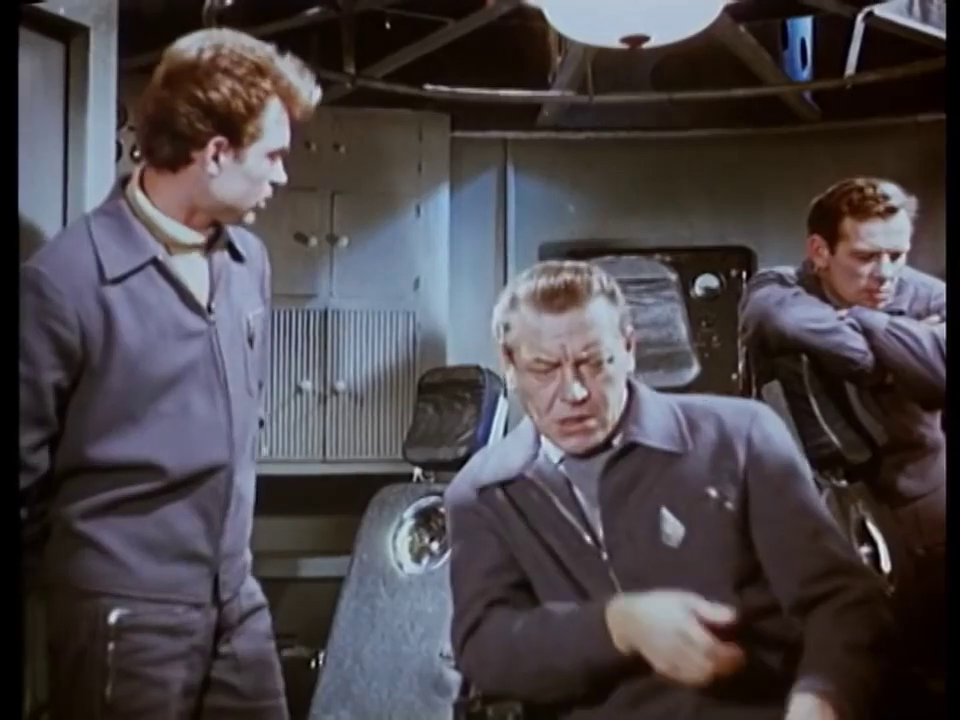
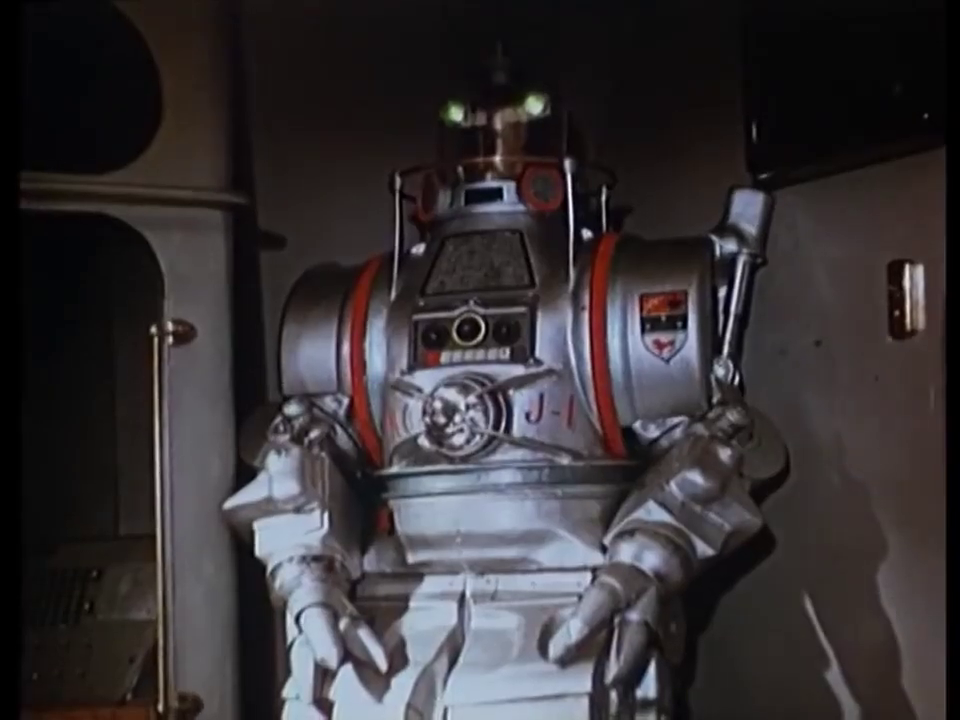
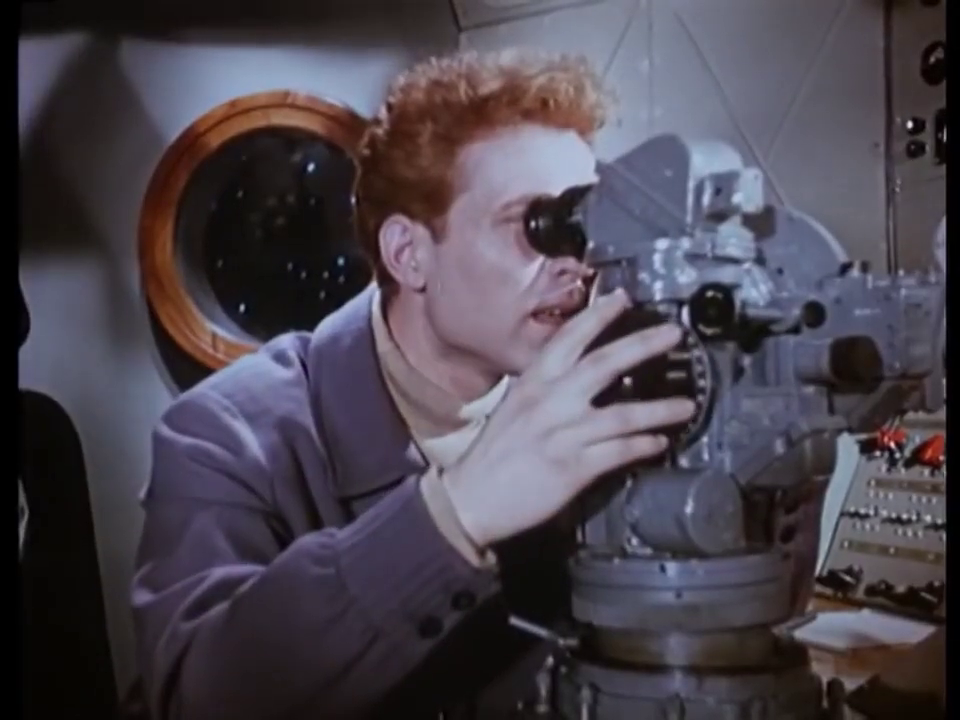
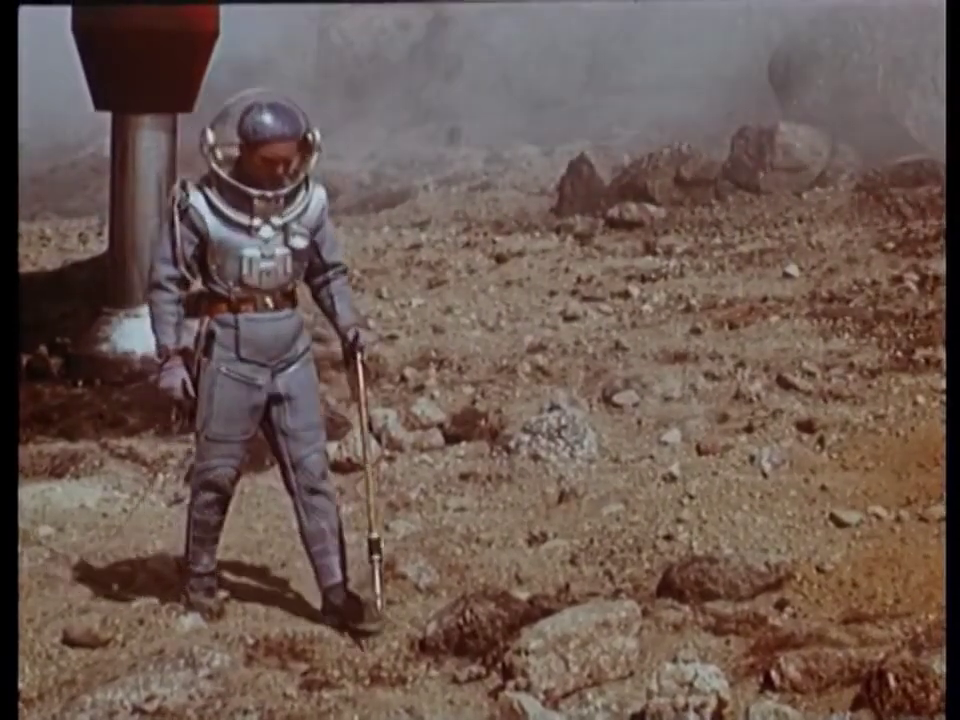
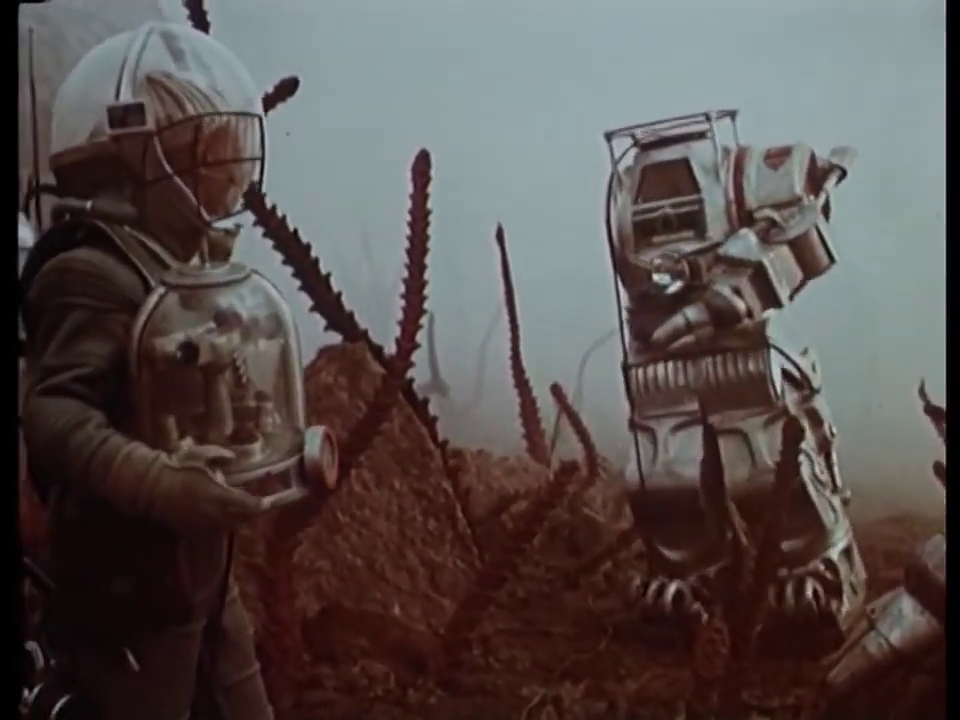
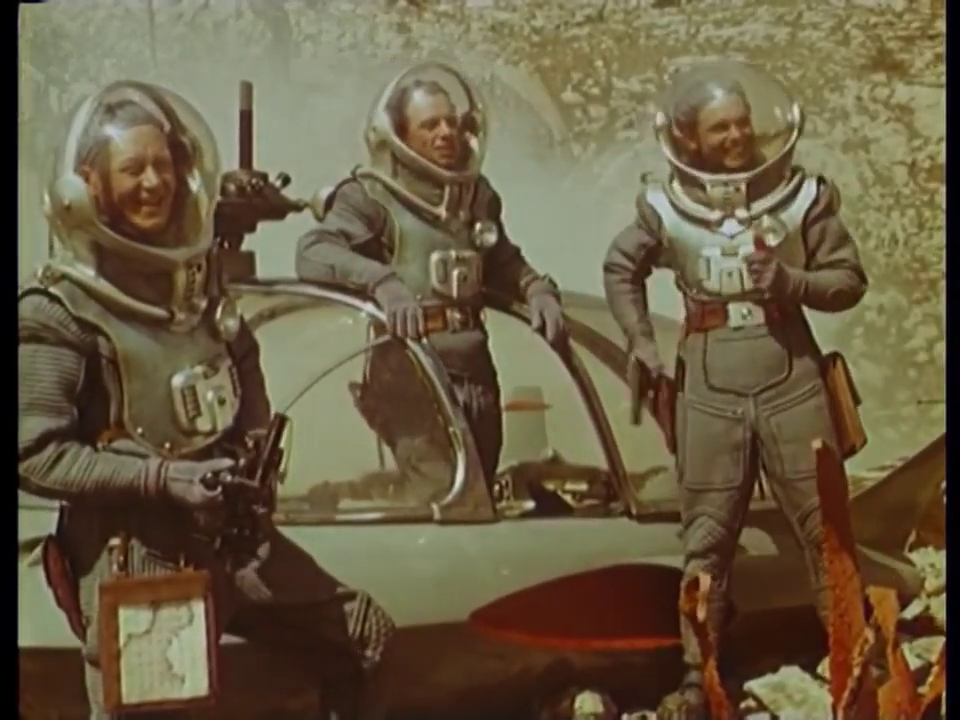
THOUGHTS/ANALYSIS: Planet of Storms is a 1962 sci-fi film from the Soviet Union. The plot concerns three rocket ships that have travelled to the planet Venus for exploration, when one of them is hit by an asteroid and explodes. The remaining two decide to head down to the surface and continue their mission rather than wait for a replacement ship to arrive, with one crewmember remaining in orbit. One thing that quickly stands out with this film is that it doesn’t feel like a typical Soviet-era sci-fi; in fact it seems to take a lot of inspiration from U.S. b-movie films, and much more than other films of the time. On top of that, it puts in considerably more effort into the b-movie setups to make something much more convincing: the film is in colour for a start, and there’s a lot of elaborate models and costumes that look very well made. It even has it’s own Rob the Robot equivalent, named John of all things, that does a lot of interesting things throughout the film.
While the film has that b-movie feel in it’s story, there’s certainly an educational element to the film too: throughout its runtime it asks a lot of questions about Venus’s climate and potential inhabitants, and we learn about them and ponder questions as viewers at the same time as the cosmonauts on the screen do. Director Pavel Klushnatsev had done a number of sci-fi education films prior to this one that explored the mysteries of space, so he brings a certain expertise and plenty of questions to the film. It perhaps seems like there is too much going on this film: it throws in nearly every sci-fi plot device and element you can think of. There’s the logistics of space travel, speculation on Venus’s climate, the role of robots, alien creatures, and even some speculation on whether the aliens are from another planet, perhaps similarly to how the Egyptian Gods could have been similar aliens. There’s a lot to think about, and because of that the plot never has much focus or overall direction on any one thing.
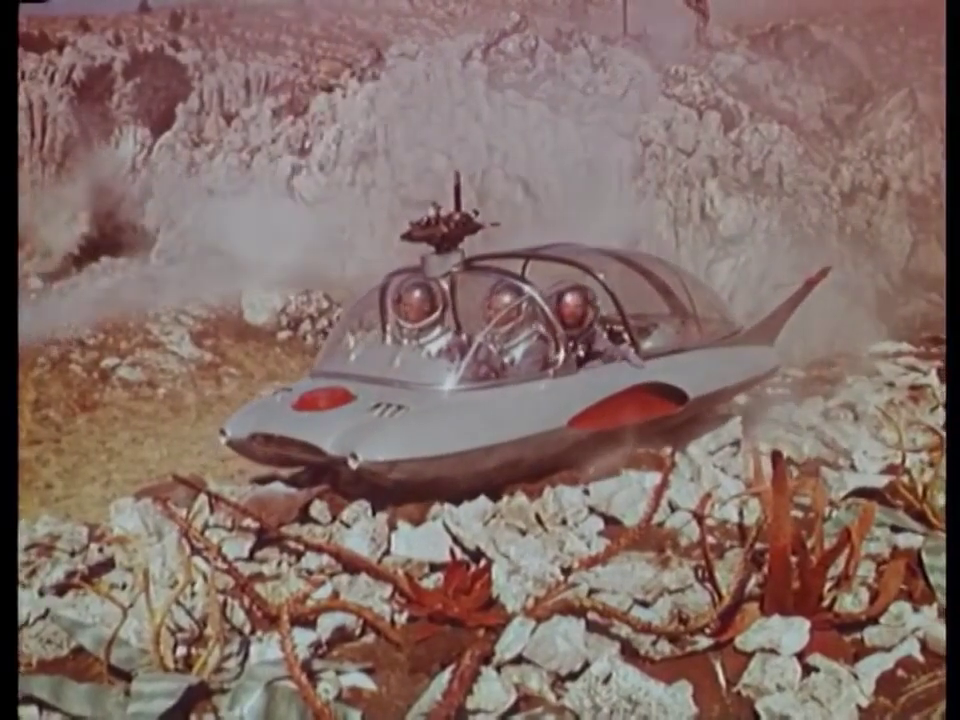
As I say, there’s a good amount to appreciate in this film; the sets and props are nice, from John the Robot being large and robust as he does a host of tasks, and even a floating car…thing that the crew use to explore the surface. There’s clearly a lot of effort gone into speculating on what Venus would be like to explore, and what could be there. With all that said though, there’s really not a lot of story to give things purpose, and a feeling that the film is taking on much more than it needs to. Worth watching to appreciate the effort put into the models and props, which would have been good for the time.
-
#736 – Aniara (2018)


Aniara (2018)
Director: Pella Kagerman, Hugo Lilja
Film review #736
SYNOPSIS: A luxury space cruiser, Aniara, is knocked off course on it’s flight to Mars, and drifts off into space. Faced with isolation, the crew and passengers begin to lose their grip on reality. M.R. is one of the staff members who supervises the Mima, an artificial intelligence who simulates Earth’s nature to prevent passengers getting homesick, but when Mima is destroyed, society begins to unravel aboard the ship…
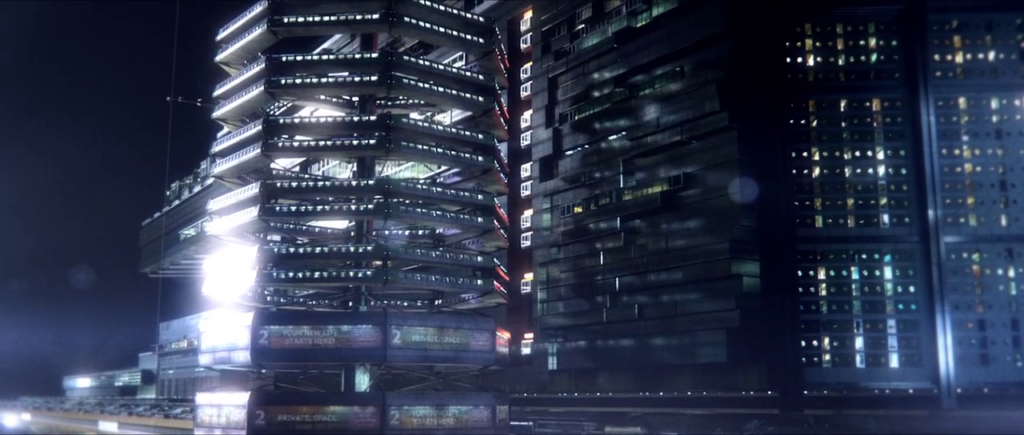
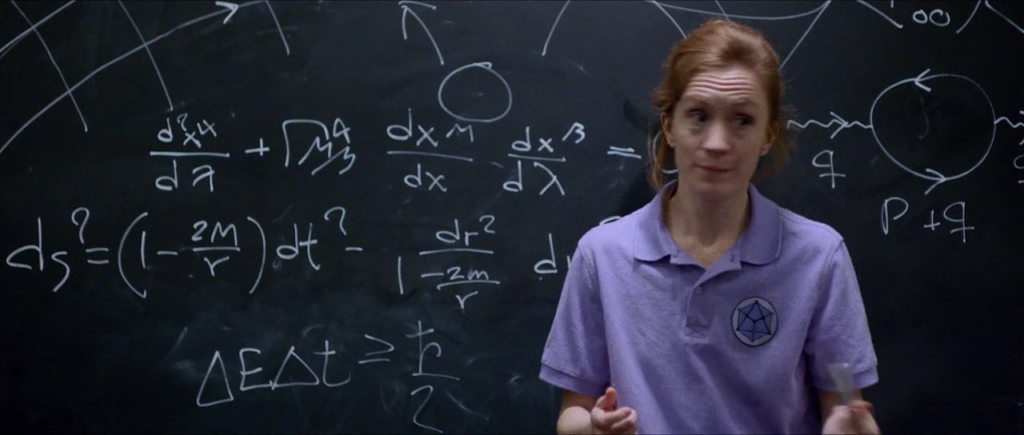
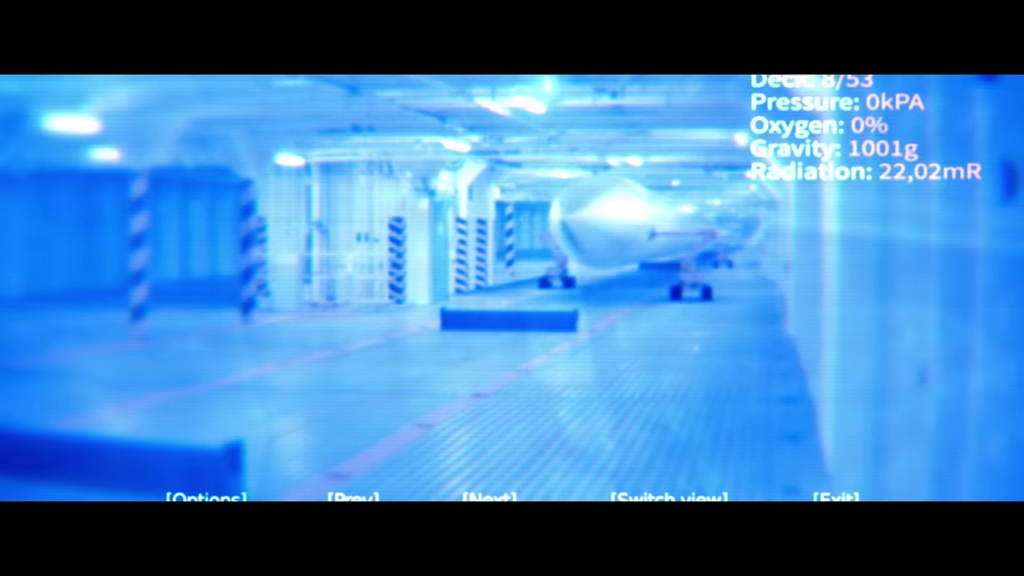
THOUGHTS/ANALYSIS: Aniara is a 2018 Swedish/Danish sci-fi film based on the 1956 Swedish epic poem of the same name. I am not familiar with the poem and it’s cultural legacy, so my thoughts will not be based upon it. The plot concerns a luxury space liner, the Aniara, which is knocked off course when it hits space debris and is forced to dump its fuel. With no way to get back on course until they can reach a celestial body to turn around, the crew and passengers are stuck aboard and try to stay sane. The film is a classic sci-fi setup of what happens in space in isolation with no contact, and how it affects the people involved: it has a sense of the landmark films such as Solaris and 2001, but is intended to be much more visceral and down-to Earth (so to speak), filling the runtime with nudity, mental breakdowns and death. As such, this is a very downbeat film, carving it’s way through time and peeling away the layers of society and people’s behaviours when that society falls away, eventually leaving us with the question of what is left of ourselves when all these things are taken away. It’s not meant to feel-good; it’s bleak and increasingly hopeless, and the film at least is fearless in grasping this.
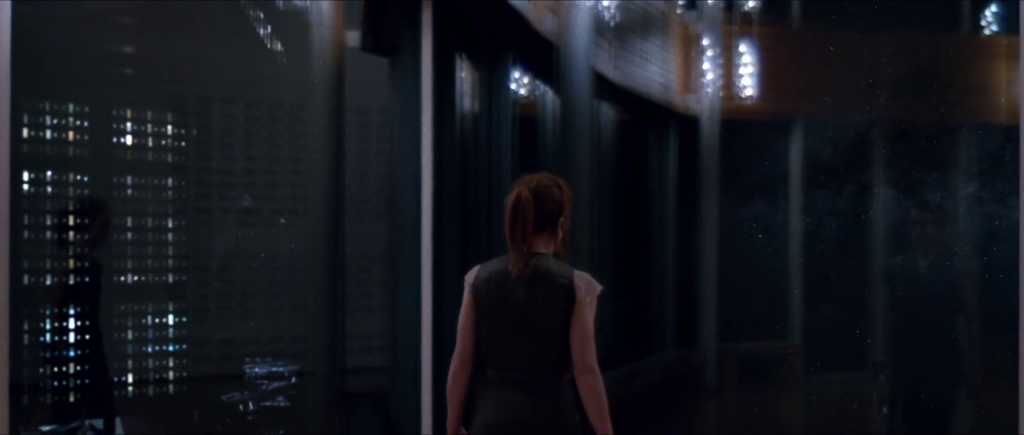
While it’s easy to see the broad strokes of what the film is trying to do, the writing and specific elements of the story lose their way fairly often. The story centres around M.R., who manages the Mima, an artificial intelligence that shows people Earth’s natural beauty to escape the cold darkness of space. While this seems to be a major plot point in the beginning, it breaks down fairly early on, and only vaguely becomes part of the plot thereafter, which feels like a bit of a misdirection. The personal relationship of M.R. and another crewmember also factors into things, but again it’s difficult to thread a flowing narrative from all these events. The structure of the film is done by separating events into certain timeskips: weeks after the accident, and moving onto various years after. While I think this could certainly work if the story is right, here it doesn’t quite do so: by jumping from tragedy to tragedy or significant events, there’s little room to establish life on board the ship and what psychologically is happening to the people on board, and also not allowing those existential moments to really come to the fore. Aniara is certainly ambitious and well-made, but the story seems confused as to where it’s going, and is missing a certain clarity that is required to tap into the deeper themes that the film wants to create. A film weighed down by it’s downbeat, fatalistic circumstances that can’t quite get the message through that darkness.
-
#735 – The Tomorrow War (2021)







The Tomorrow War (2021)
Film review #735
Director: Chris McKay
SYNOPSIS: Visitors from the future turn up to announce that they are losing the war against an alien race, and have come back to the past for help, enlisting everyday people to go to the future and fight. When Dan Forester is conscripted, he finds that things are going well in the future, and a personal stake in it all leads to him looking for a way to win it all before humanity is doomed…
THOUGHTS/ANALYSIS: The Tomorrow War is a 2021 sci-fi film. Soldiers arrive from thirty years in the future to inform the world that they are losing a war against alien invaders, and begin to take reinforcements from the past to help them. One such man that is conscripted is Dan Forester (Chris Pratt), a former soldier turned science teacher. there’s an overarching air of genericity in this film from the outset: not only Chris Pratt being every other Chris Pratt role, but a rather typical alien invasion story punctuated with stereotypical characters and personalities. the film’s goal is clearly stated with regards to stopping the alien invasion, but the various setups and scenes are all over the place, and all of the jumping around means there is very little focus in the film, and is strung together with very little, apart from obvious minor characters at the start that are obviously going to be called back to later on; it’s very predictable.
While the plot fails to endear any of the characters or their specific relationships, there is at least a fair amount of action that keeps things going, and the aliens designs are interesting enough. It’s clearly got a comfortable budget to make a lot of large scale scenes (and to blow them up), but it just feels so directionless a lot of the time, and there’s specific points in the film where the objective becomes something completely different, and there’s no space to connect with anything that’s going on. It’s entertaining enough throughout it’s runtime, but hinges on very basic and predictable tropes that are not going to make this a memorable experience. It’s very much a “cinema by numbers” experience.
-
#734 – 2001: A Space Travesty (2001)






2001: A Space Travesty (2001)
Film review #734
Director: Allan A. Goldstein
SYNOPSIS: U.S. Marshall Richard Dix is assigned to go to a secret moon base to rescue the president, who has been cloned to fulfil the orders of an evil mastermind.
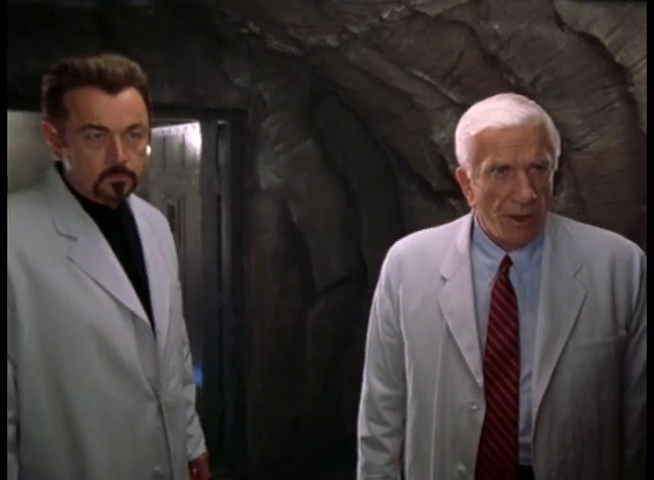
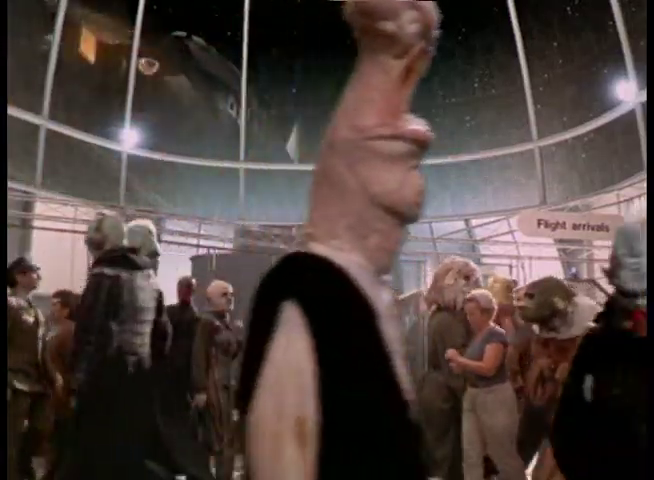
THOUGHTS/ANALYSIS: 2001: A Space Travesty is a 2001 science-fiction film. Starring Leslie Nielsen as inept US Marshall Richard Dix, he must rescue the President of the United States from a secret moon base where he will be replaced by a clone to perform the wishes of an evil mastermind. Straight from the start you can tell what this film wants to be: A clone of Police Squad, even with Nielsen, but mixing in some sci-fi and real-life personalities parodies. There is – in short – nothing in this film that replicates the success of Police Squad or The Naked Gun films. The big problem is that none of the comedy works: there is one joke that is funny within the first five minutes. The rest is just directionless, predictable drivel that is of no value whatsoever. Even Nielsen, who is obviously very experienced in these roles, can’t save it. He just seems like he has no idea what he is doing. The humour is just very base crude and raunchy stuff that fails to inspire, push any limits, or display any wit. The physical slapstick comedy also doesn’t really land, and a lot of it being done with CG just leads to some awkward interactions with it. Even when Nielsen does his own stunts, you just get the feeling he’s too old to do anything that’s worthwhile.
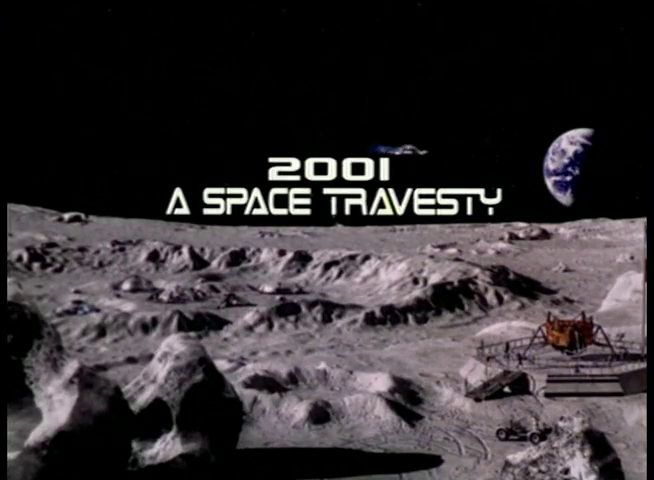
While the title seems to suggest that this would be a a 2001: A Space Odyssey parody (the film also being released in 2001), outside of the intro sequence (which also isn’t funny), there’s no other reference to it. In fact, it seems to veer more into parodying Men in Black that had recently come out, but again nothing in particular that would make it stand out. The finale taking place at a performance of the three tenors has a load of actors playing real-world figures, such as the tenors themselves, Bill and Hilary Clinton, the Pope and the Artist formerly known as Prince, which you might think has the potential for some funny scenarios, but the whole scene is a mess of scraps that barely connect, and impossible to follow with any kind of narrative. Any potential in this film is constantly wasted, mismanaged, and there’s just an overwhelming sense that nobody here knows how to write anything funny. 2001: A Space Travesty is aptly named: it is a comedic travesty, offering no laughs, the lowest common denominator in crude humour and lazily ripping off The Naked Gun with no idea what made it work. Even if you’re a die hard Nielsen or Naked Gun fan, there is nothing or value here.
-
#733 – The Mechanical Man (1921)





The Mechanical Man (1921)
Film review #733
Director: André Deed
SYNOPSIS: A scientist creates a mechanical humanoid that is controlled remotely. A criminal manages to get a hold of the blueprints and creates a mechanical man to launch a crimewave…
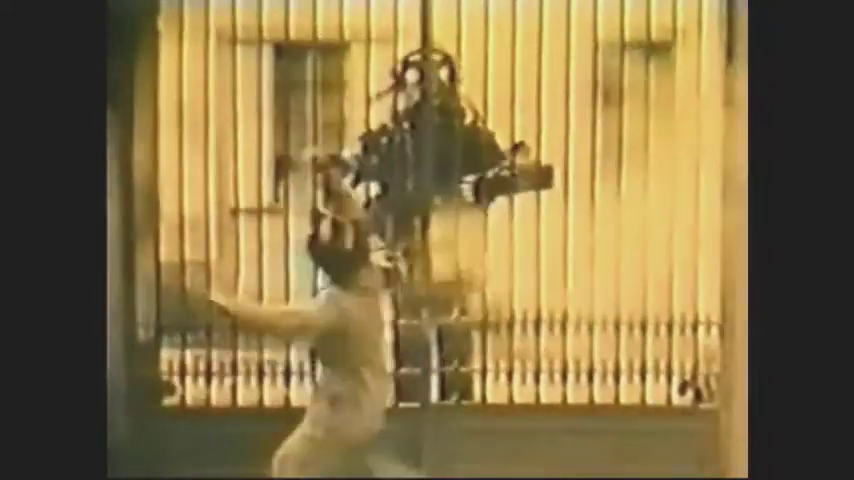
THOUGHTS/ANALYSIS: The Mechanical Man (L’Uomo Maccanico) is a 1921 Italian sci-fi film. The plot concerns a scientist who creates a large mechanical man who is controlled remotely. A criminal gang led by Mado tries to steal the plans, but are arrested. Mado escapes and manages to blackmail the scientist’s daughter for the blueprints, creating her own mechanical man to unleash a crimewave. The most important thing to know about this film that while it originally ran for about eighty minutes, most of the film is lost, and only twenty six minutes survives to be viewed today. The missing footage is from mostly the beginning, but also bits throughout, which makes the surviving footage make not a lot of sense, so that’s something to bear in mind. The mechanical man itself is a huge costume obviously with a person wearing it which might not look like much today, but is fairly impressive for the time, accompanied by some scenes of it tearing through walls and such to demonstrate it’s power. It’s not the first film to feature such a mechanical man; the most famous prior one probably being The Master Mystery from 1917 starring Harry Houdini. This is also before the term “robot” was a thing. It’s also pretty funny seeing the ‘robot’ being remote controlled by a device that occupies an entire wall.
There’s a good amount of things going on throughout this film: different crimes that the mechanical man gets involved in, the criminal Mado, plenty of action sequences, and a finale involving two of the mechanical men fighting it out, it’s plenty entertaining. Unfortunately, the story with only the surviving scenes is very confusing, and is near impossible to follow, so expecting a typical full feature is not fair from the remaining scraps. Overall it’s an incomplete experience that has a few bits of novel creativity and action that might be worth taking a peek at.
-
#732 – A Voyage Around A Star (1906)



A Voyage Around A Star (1906)
Film review #732
Director: Gaston Velle
SYNOPSIS: An astronomer becomes obsessed with the idea of reaching the stars; most notably the women in the stars he has seen through his telescope. he designs a bubble that will take him into the sky to meet her, but finds a host of troubles when he gets there…
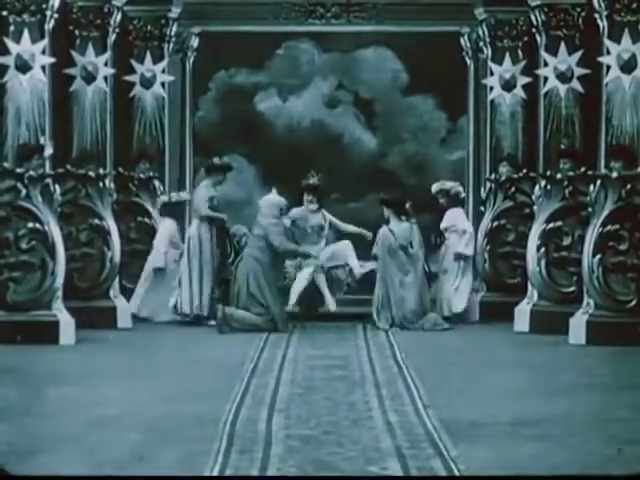
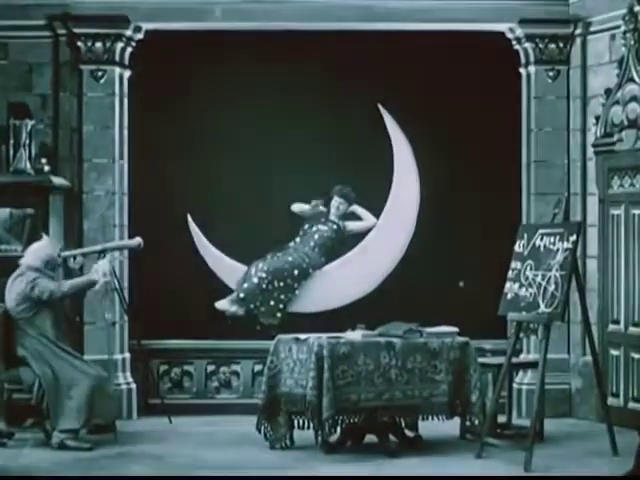
THOUGHTS/ANALYSIS: A Voyage Around A Star is a 1906 short sci-fi film. The story involves an astronomer who looks through his telescope and sees a beautiful woman that lives in the stars. he invents a giant bubble to fit in and float upwards through the sky. The story is essentially what we have seen in other short films such as The Astronomer’s Dream (1897) and Trip to the Moon (1902), and there’s not really anything original in an astronomer travelling to space. There’s some nice fantasy imagery and effects for the time, but nothing ground-breaking. Perhaps it seems a little for fantasy and silly than the others, particularly with the giant soap bubble being the invention used to float amongst the stars.
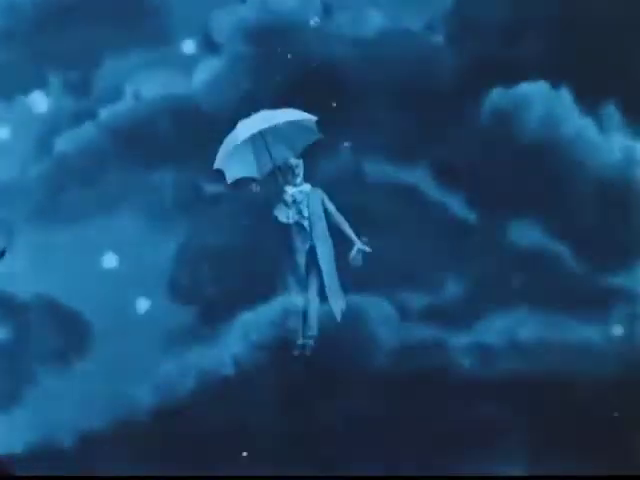
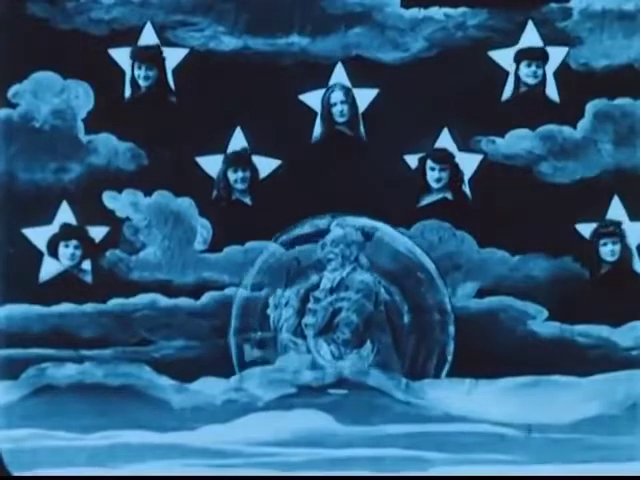
When the astronomer arrives at his destination, he angers the bearded man (God?) with his philandry, and he is cast out to fall back to Earth. This scene has some nice choreography and scenery, but not much else. As the astronomer descends back to Earth using his umbrella, it breaks and he falls to impale himself on a weather vane, which is where the film ends. This is probably the most unique thing about this film: it’s quite a dark ending to see a man impaled straight through the body, but I think it’s still meant to be funny and light. Overall though, there’s nothing remarkable in this film that wasn’t already done even in these early days of cinema.
-
#731 – A Trip to Mars (1910)




A Trip to Mars (1910)
Film review #731
Director: Ashley Miller
SYNOPSIS: A scientist discovers a powder for reverse gravity, and uses it to float to Mars, where he encounters strange creatures.
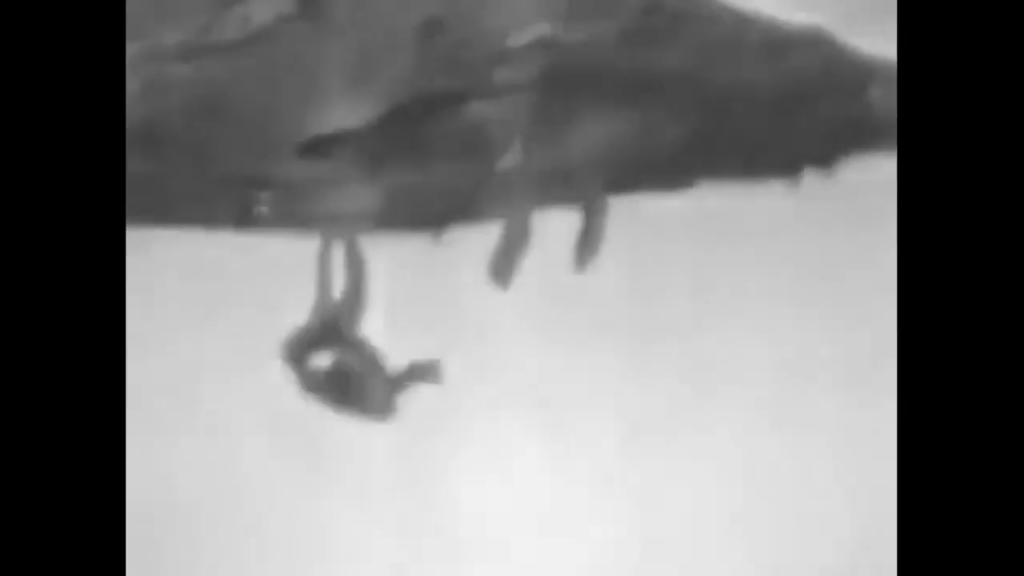
THOUGHTS/ANALYSIS: A Trip to Mars is a 1910 sci-fi short film produced by the Edison Manufacturing Company. In this four and a half minute film, we open with a interstitial card that says how a scientist discovers “reverse gravity” in the form of a powder. He uses this to flat up into the sky, eventually arriving on Mars. There, he sees some humanoid trees and a giant demon head that breathes ice on him, turning him into a snowball that falls back to Earth. Annoyed, the scientist throws away his reverse gravity powder, causing the room to turn upside down. Not much else to say given the short runtime (which would have been fairly standard for the time), but the effects of the giant head and tree costumes are nice enough. The only surviving copy is fairly degraded though, so it’s difficult to grasp the details.
While this film is the first film to feature Mars as a setting and the first American sci-fi film, it is very much derivative of the French film A Trip to the Moon by George Melies, which is a similar plot but with the moon instead of Mars, and the concept of reverse gravity being appropriated from French author Jules Verne. Essentially, it’s just ‘borrowing from the French.’ Around this time, the early dominance of the French in cinema had declined, with other countries and companies (such as Edison Manufacturing) were able to develop their own movie-making equipment. But yes, it’s very derivative of what came before and offers nothing new (perhaps unsurprising given the Edison name attached to it…). It’s nicely made for the time, and some nice camera trickery and effects that have been done before.
-
#730 – Teenage Zombies (1959)






Teenage Zombies (1959)
Film review #730
Director: Jerry Warren
SYNOPSIS: When a group of teenagers go missing out on a lake, their friends mount a rescue and find a strange lady living on an island. Little do they know she has been kidnapping people for her experiments in mind control..
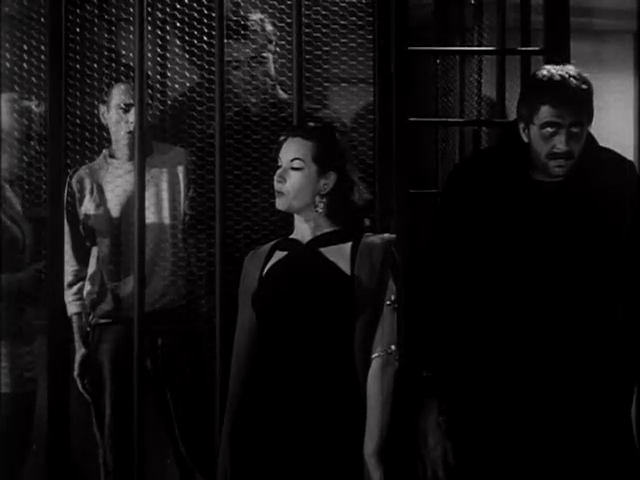
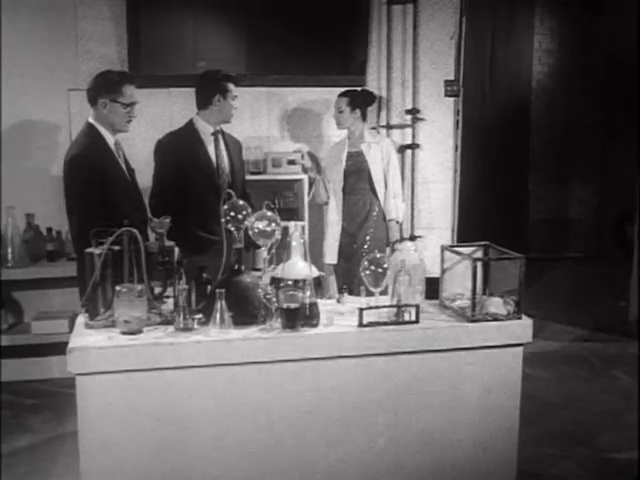
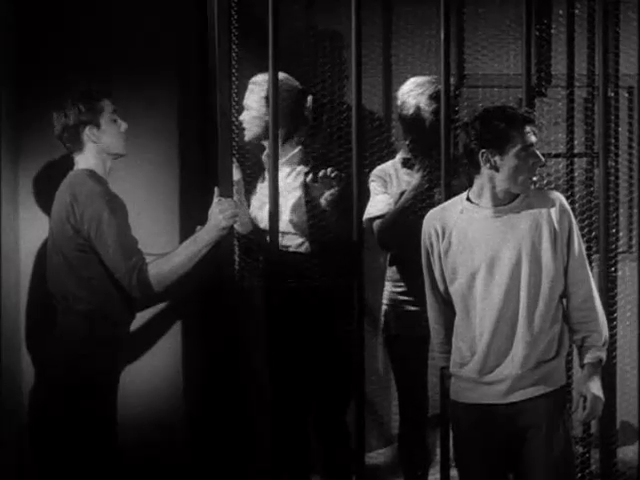
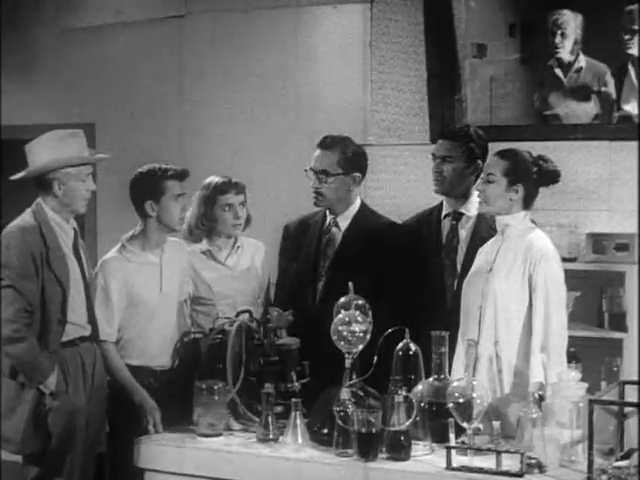
THOUGHTS/ANALYSIS: Teenage Zombies is a 1959 sci-fi film. Starting out in a diner – although the set is just a table and chair against a wall – we see a group of teenagers who intend to go out on the lake on their boat. They end up finding an island where a woman lives on her own, but actually she doesn’t, as she’s actually a mad scientist who is developing a method of mind control for communists. She captures two of the teens and turns them into slaves, while the the other two try to free them, and their friends back home try and find them all. This all sounds fairly vague because that’s all the film really gives: it’s just the characters moving between three scenes of a a lakeside, a basement, and someone’s front room and/or kitchen. There’s barely any plot or depth beyond the typical b-movie tropes: mind control, a brain-dead servant, mad scientist (although she is a woman this time I suppose), there’s nothing to really differentiate it. I can’t even tell you the names of the characters or anything; it’s all just so generic and bland.
To be fair to this film, it clearly has no budget, and is just filmed with a cheap camera in someone’s house, haphazard music choices and no consideration for audio quality. But even then, there could have been some effort to make the story interesting. As it is, it’s just a back and forth between people in the same three places, with no action, escalation in tension, or interesting developments. At points the film just stops completely while the scientist gives an explanation of how her mind control device works, which is completely irrelevant. Hopelessly naïve and devoid of any entertaining qualities, Teenage Zombies offers very little to any type of movie watcher.
-
#729 – Avanzers Italian Superheroes (2023)





Avanzers Italian Superheroes (2023)
Film review #729
Director: Cosmio Bosco
SYNOPSIS: Gaetanos, the last Alien ruler who survived the Marvel and D.C. superheroes, becomes obsessed with everything Italian. He demands the sacred gem “Made in Italy” or he will destroy the country. To this end, Italy’s greatest (worst) defender Nicola Furia is assigned to stop the evil conqueror, and it is agreed that a football will be held between Gaetanos and Furia to decide the fate of the country. Furia must assemble Italy’s greatest (worst) heroes to defend the might of the country…
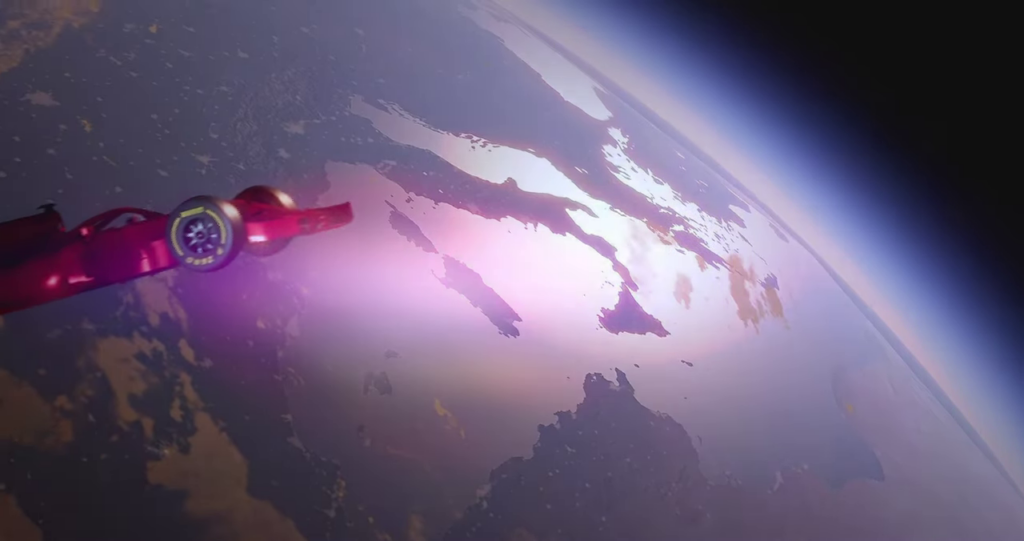
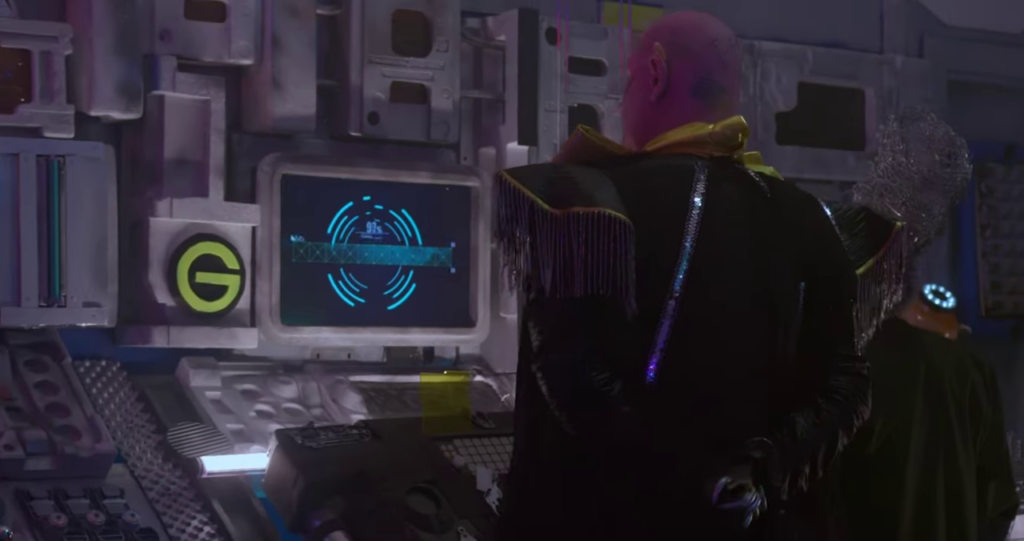
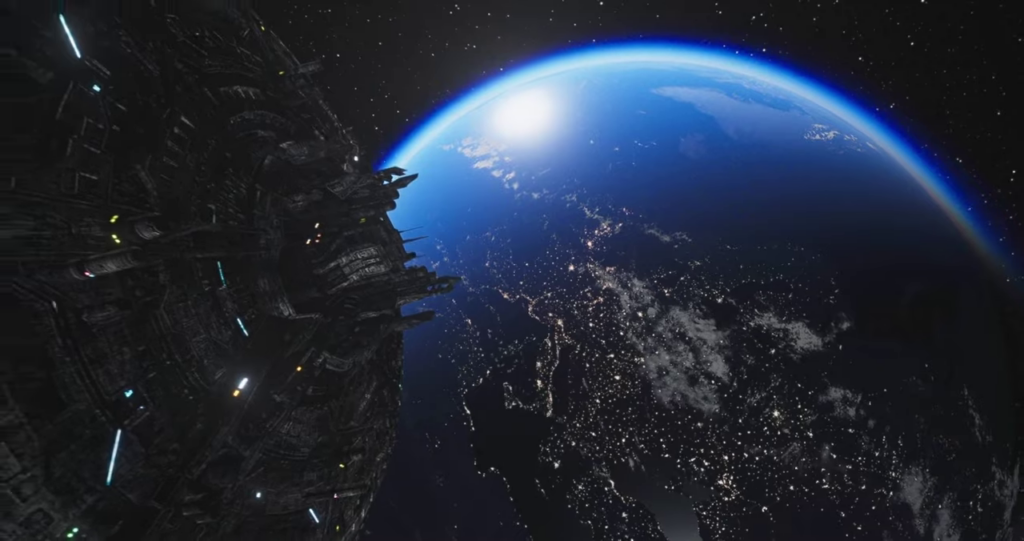
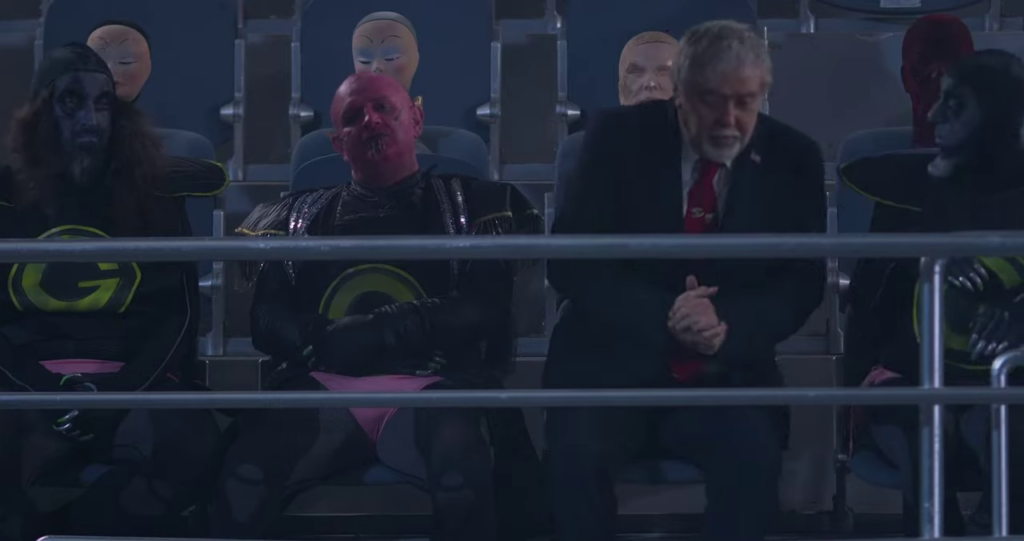
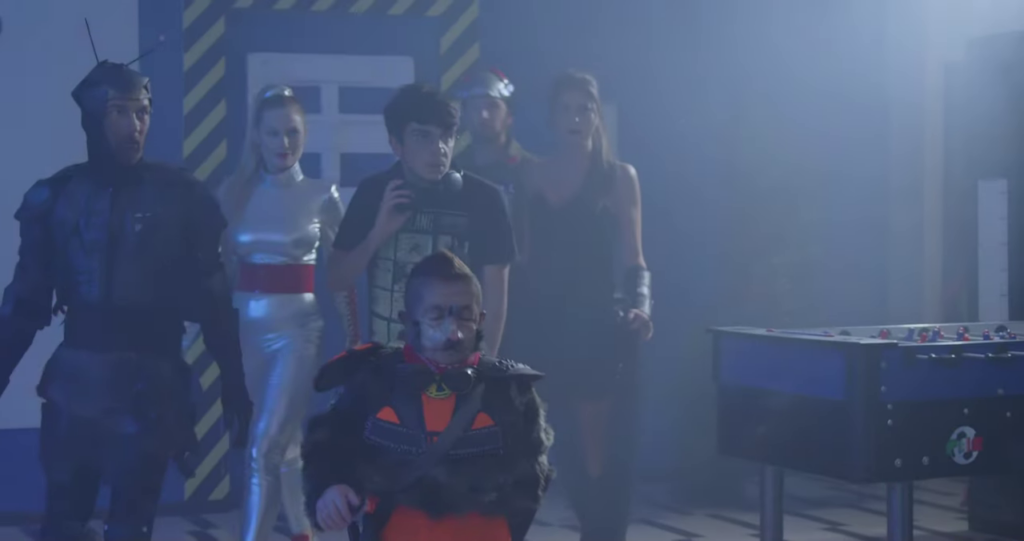
THOUGHTS/ANALYSIS: Avanzers Italian Superheroes is a 2023 sci-fi parody film. The plot concerns the alien emperor Gaetanos, who is apparently the last galactic ruler that hasn’t been wiped out by a Marvel or D.C. superhero. He becomes obsessed with Italian culture, from the cars to the food and fashion. He comes to Earth with his army to demand the gem “Made in Italy” so that he himself can create genuine Italian products, otherwise he will destroy Italy itself. In response, the Italian government assign agent Nicola Furia, the world’s most Italian middle-aged man, who strikes a deal to play a game of football against Gaetanos to decide the fate of the country. Reading this summary, you can probably tell this is just a parody crossover of The Avengers meets Space Jam. With that in mind, there’s not much else to add to it story wise, although there’s a small crossover too with Anatar, the Italian Avatar parody from the same year. The film is structured mostly through introducing the various Italian superheroes that are parodies of other superheroes and stereotypes of Italian culture, including the Scoundrels of the Galaxy, Tonio Sterco, Roach Man, Captain Azzurro, an Italian crime boss, and a football hooligan. Moving from one character to the next at least keeps new things happening, but the overarching plot is a bit weak as it constantly focuses on new characters. While the comedy is obviously made for Italians, it’s broad enough to have enough impact to a wider audience, because everyone knows about pasta, pizza, ferraris and football to some degree.
In keeping with being a parody of The Avengers, the film clocks in at over two hours long, which is an absurdly long time for a cheap parody film such as this. There’s enough characters that it at least manages to fill out the runtime without any lulls, but the football match at the end is a bit dull, as there’s nowhere near enough competency behind the camera to make it look interesting, or choreograph anything too unique. This is a low budget affair that offers a stark contrast to the films it is parodying; sometimes it can get away with it, but other times the corner cutting is apparent: one such example is the use of stock footage of people and the use of A.I. generated imagery in some scenes which looks really bad and shows a real lack of effort. Some scenes, such as on the alien spacecrafts and the makeup isn’t as bad, and the mix of different styles just cerates a bit of a mess. The Avanzers has at least some funny moments as it lampoons Italian culture, but there’s no real consistency to any of the production, it doesn’t offer anything memorable, and it is just way too long for this sort of film.
-
#728 – Anatar (2023)



Anatar (2023)
Film review #728
Director: Alan Smithee
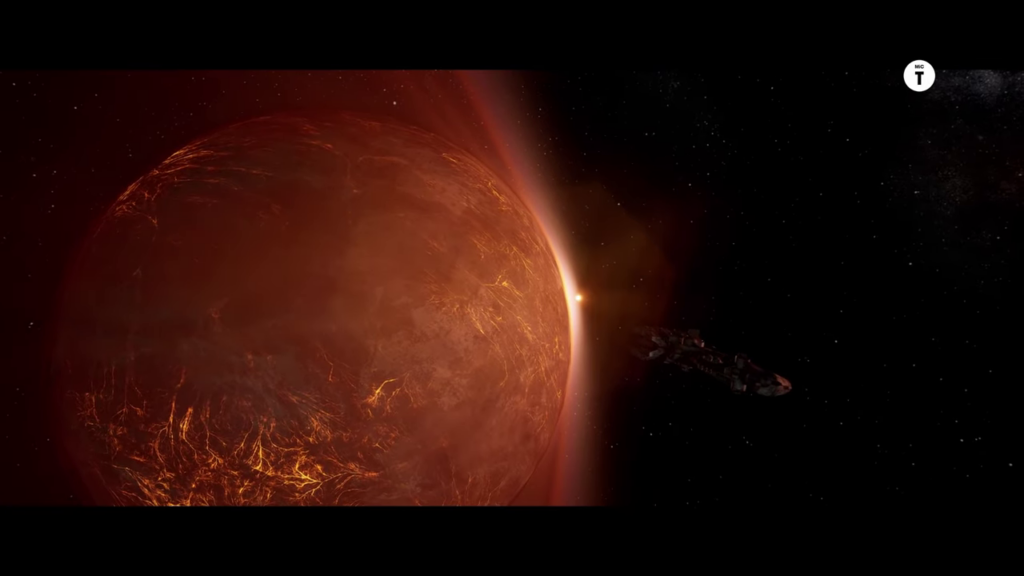
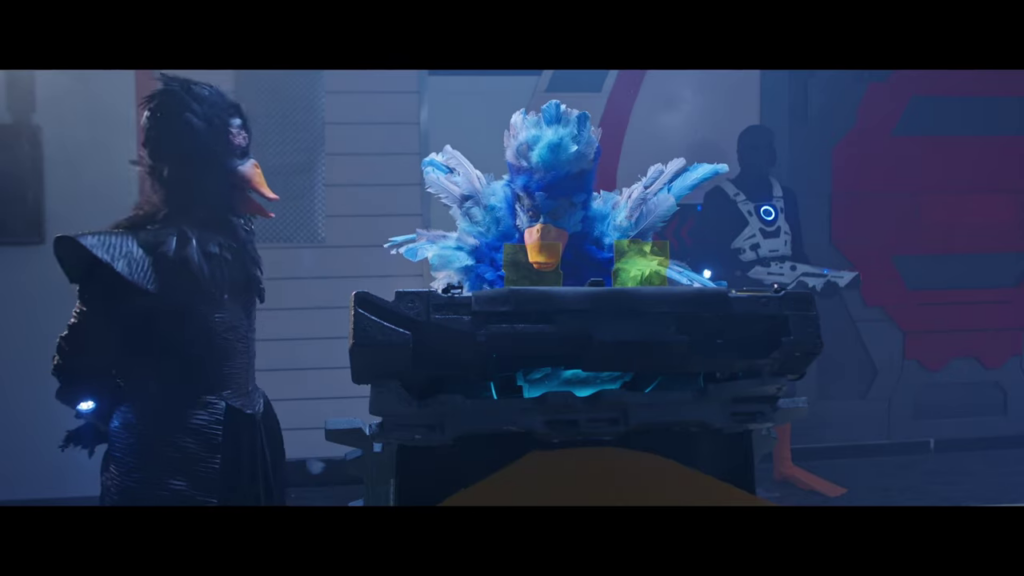
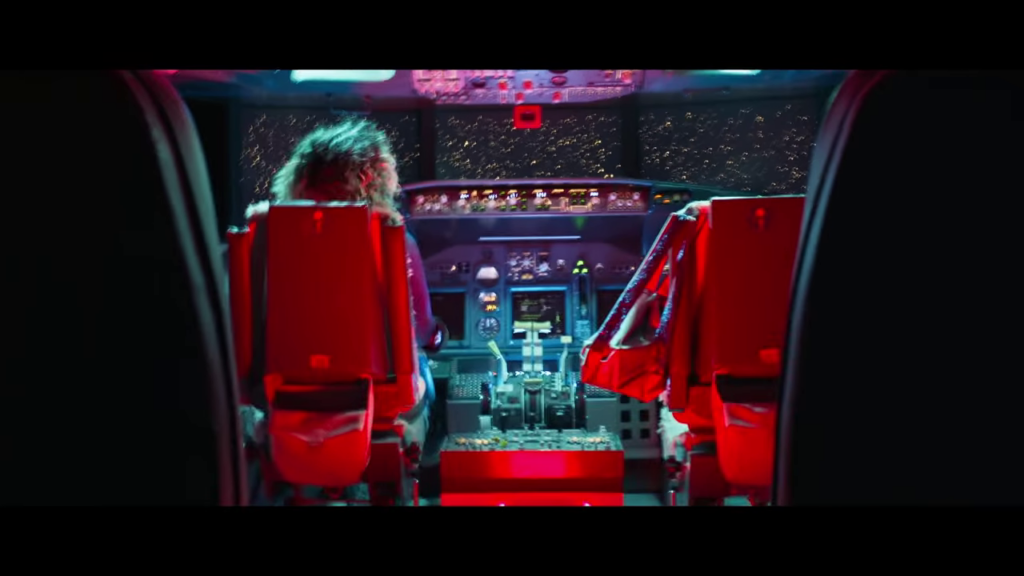
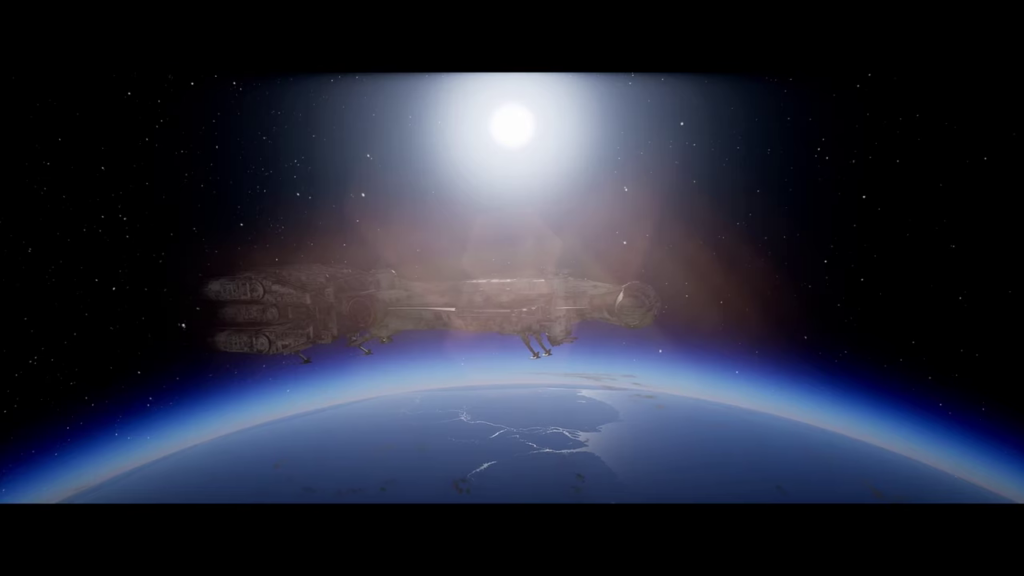
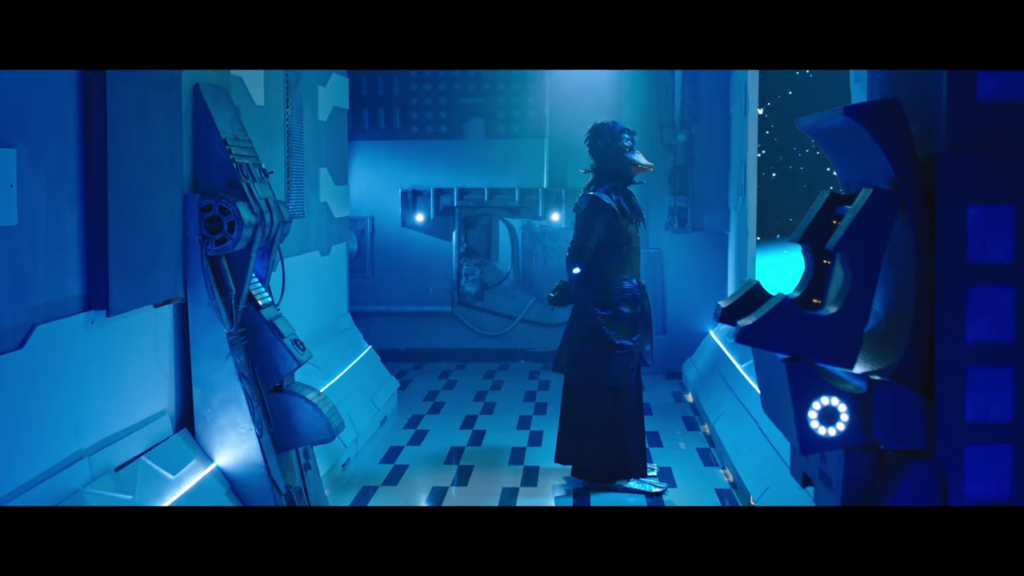
SYNOPSIS: A planet of duck-like people is destroyed by pollution and leave their planet in a spaceship to seek a new home. They arrive at the planet Pandoro, where the ducks want to conquer the planet, but Princess Avia wants to convince the inhabitants to share the planet. Using a machine to take a human form, she heads down to the planet to try and find a peaceful solution, where she runs into a young scientist named Germano
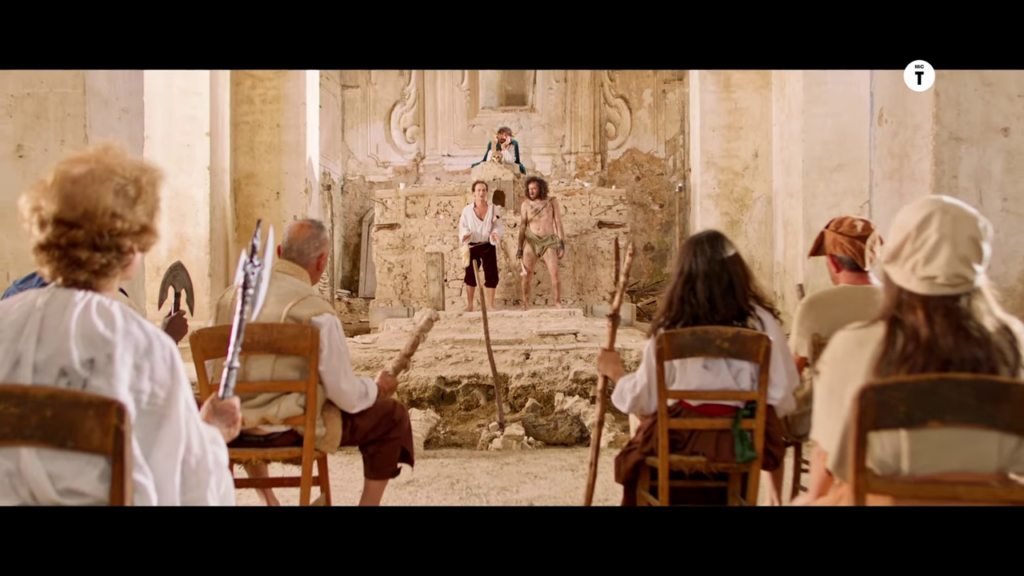
THOUGHTS/ANALYSIS: Anatar is a 2023 Italian sci-fi film. The plot concerns a race of blue humanoid ducks, who have to flee their home planet after it is destroyed, and arrive at another planet named Pandoro. The duck leader Dark Feather wants to conquer the planet, but Princess Avia wants two weeks to try and convince the population to live peacefully with them. To that effect, she uses an experimental machine to turn her human, and heads to the planet, where she meets Germano, a young scientist/inventor, and a romance blossoms. Yes, beneath the outlandish premise, it’s a very standard fish-out-of-water romance story that offers nothing new, and barely holds together. There’s clearly an attempt to parody the Avatar franchise, with the Anatar title, the planet named Pandoro (Pandora) and the blue ducks. Apart from that though, there’s not really any reference to the film’s, so you can’t really situate this film as a parody, it’s just a few references for the trailer to leech off of Avatar’s popularity I suppose. The whole cast is particularly bland; the leads have no chemistry or acting ability, the English dubbing is horrible and unprofessional, and while there’s obvious parodies of Darth Vader among others, none of the writing really bites or has meaning: there’s no sense of comedic timing or setup that makes any scene really worthwhile. Also, some of the ducks just blatantly speak like Donald Duck, for no reason.
While you can recognise the various parodies to characters/people/places as you go through the film, there’s no real pacing to the overall story, as it meanders all over the place. The film even goes for a fourth wall breaking moment where Germano dies, but the film cuts and the director says that he only dies in the first draft, so they go back and re-shoot it, it makes no sense. This might also be a reference to the troubled production of the film and studio interference which led to the director disowning the film and wanting to be credited as “Alan Smithee.” I can only imagine how bad it was for a director to abandon a film such as this. I just cannot imagine any interference being so bad it ruins this film more than it is. The final shot is the ultimate insult, as the injured Germano is taken to the space ship and put into the machine which Avia used to turn humanoid and…the film just ends mid-scene. I suppose it’s meant to signify that Germano has been transformed into a duck, but there’s zero value in not resolving this; the ambiguity adds nothing. On the surface, Anatar looks like a unholy fusion of Avatar and Howard the Duck, but doesn’t go anywhere near far enough to make it at least an interesting parody or satire. A meaningless, carbon copy story combined with flavourless humour make this a pointless experience that provides no value or incentive to watch.